How-to & growth / Artist systems
Instagram Trial Reels for musicians: test a hook before release day
A controlled three-hook Trial Reels experiment for musicians who want a clearer signal before choosing the main clip for release day.
The short answer
Instagram Trial Reels let you show a Reel to non-followers first, then decide whether to share it with everyone. For a music release, make three versions of one song moment and change only the opening hook. Publish them as separate trials, wait for comparable results, and choose the clearest opener. Treat the result as a creative signal, not a promise of reach or release performance.
What a Trial Reel changes
A Trial Reel is a Reel shown to non-followers first. Meta said in June 2025 that Trial Reels had been made available to everyone. The initial audience is the useful distinction for a musician: you can test an unfamiliar visual treatment or opening without making it the main release post for existing followers.
It is not completely private. Meta notes that a follower may still encounter a trial through a direct message or a page connected to its audio, location, or filter. Think of Trial Reels as limited initial distribution, not a hidden focus group. If the Trial option is absent from the sharing screen, check the current Instagram Help information for the account rather than assuming the account is ineligible.
Build a fair three-hook test
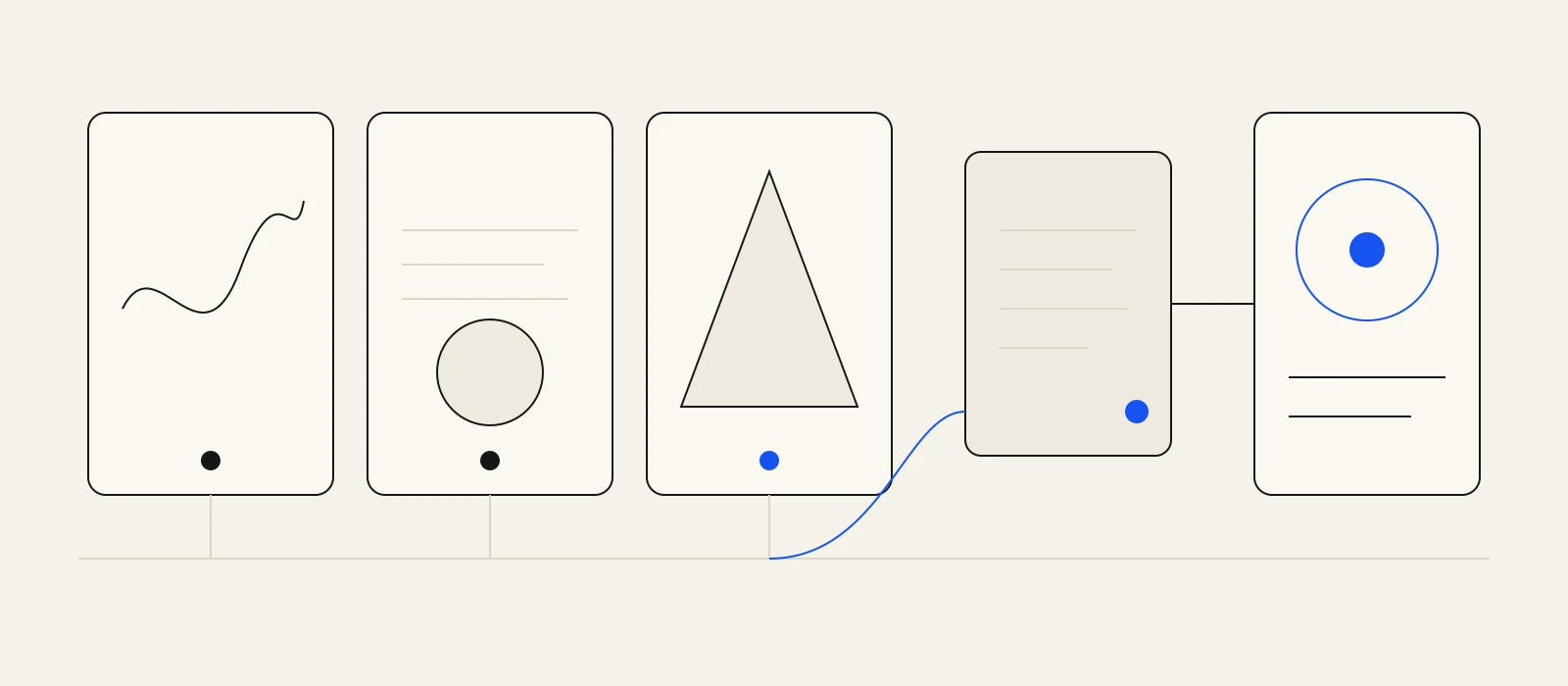
Choose one 15 to 30 second song window with a recognizable change: a vocal entrance, a chorus lift, a drop, or a line that resolves. Keep the audio window, aspect ratio, caption, cover treatment, posting context, and visual style as consistent as possible. Change only the first one or two seconds. That isolates the creative question: which opening gives the moment the clearest invitation?
Artifex analysis: three useful hook types are a lyric reveal, a visual change already in motion, and a question or tension completed by the song line. Do not test three different excerpts, captions, and visual worlds at once. A result from that bundle cannot tell you which decision mattered.
- Version A: reveal the strongest lyric immediately.
- Version B: begin one beat before a visible transformation.
- Version C: open on an unresolved image that the song completes.
Run the trials before the release-day decision
Prepare all three exports before posting the first trial. Use the same finished song master and review each cut at phone size. If lyrics appear, keep the words readable and timed to the vocal. Artifex Studio can create a lyric video from the artist's own finished song with word-timed lyrics, effects, and beat snapping; the artist reviews it and posts it from Studio or by hand.
Publish the trials far enough before release day to leave time for observation and a final decision. Meta says key engagement metrics become available approximately 24 hours after a Trial Reel is shared. Keep sharing to followers manual while the comparison is running so the experiment does not change audiences midway. Record each result at the same elapsed time instead of comparing one trial after a day with another after a week.
Read the signal without fooling yourself
Compare views, likes, comments, and shares, which Meta lists among the Trial Reel metrics. Start with the behavior closest to the creative question. If you are choosing an opener, the most useful evidence is whether people stayed long enough to reach the musical change; if retention is not shown in the trial view, use the available engagement signals cautiously and inspect any qualitative comments.
Do not translate the largest number into 'this hook will grow the release.' The audience samples can differ, the platform controls distribution, and engagement from non-followers is not the same as fan intent, streams, saves, or ticket demand. Meta's own published note warns that individual performance may differ. Artifex analysis: use a clear difference as a reason to choose or revise a hook, and treat a close result as no decision rather than forcing a winner.
Choose the main clip, then finish it deliberately
Select the version whose opening communicates fastest without misrepresenting the song. Tighten any weak frame, spelling, timing, caption, or cover before release day. You may share the winning trial with everyone, but it is also reasonable to publish a refined final Reel separately when the release needs an updated caption or call to action.
Keep the losing versions as evidence, not waste. One may fit a later lyric post, visualizer excerpt, or behind-the-song explanation. The experiment has done its job when it reduces one creative uncertainty. It has not predicted the career of the track.
Connect the work
Go deeper before the next release decision.
Test the opening before release day
Give one song moment three clear ways in.
Bring a finished track to Studio, build lyric-led cuts around the same moment, and export the versions you approve. You choose the trial, read the signal, and publish through Instagram yourself.
Create the hook cutsFrequently asked
Questions, answered.
- Who can use Instagram Trial Reels?
- Meta announced in June 2025 that Trial Reels were available to everyone. Product access can still vary by account state or app version, so check the current Instagram sharing screen and Help information if the Trial option is missing.
- Will Trial Reels increase non-follower reach?
- That outcome is uncertain. Trial Reels begin with non-followers, but Meta warns that individual performance may differ. Use them to compare controllable creative choices, not to promise reach, streams, followers, or release growth.
- Does Artifex Studio post the Trial Reel to Instagram?
- No. Studio helps you prepare and export lyric-led video assets from a finished song. You choose the test setup, post each Trial Reel, review Instagram's results, and publish the final Reel yourself.
Sources