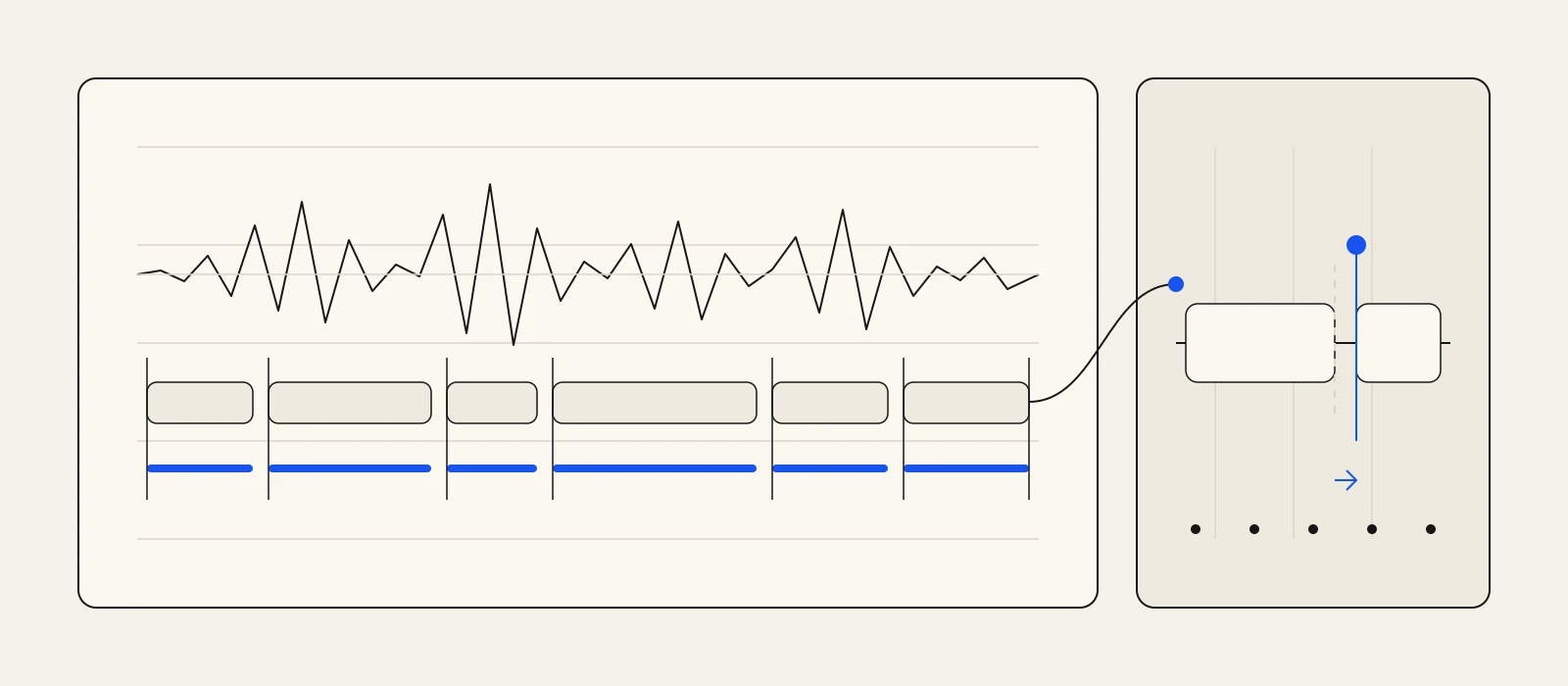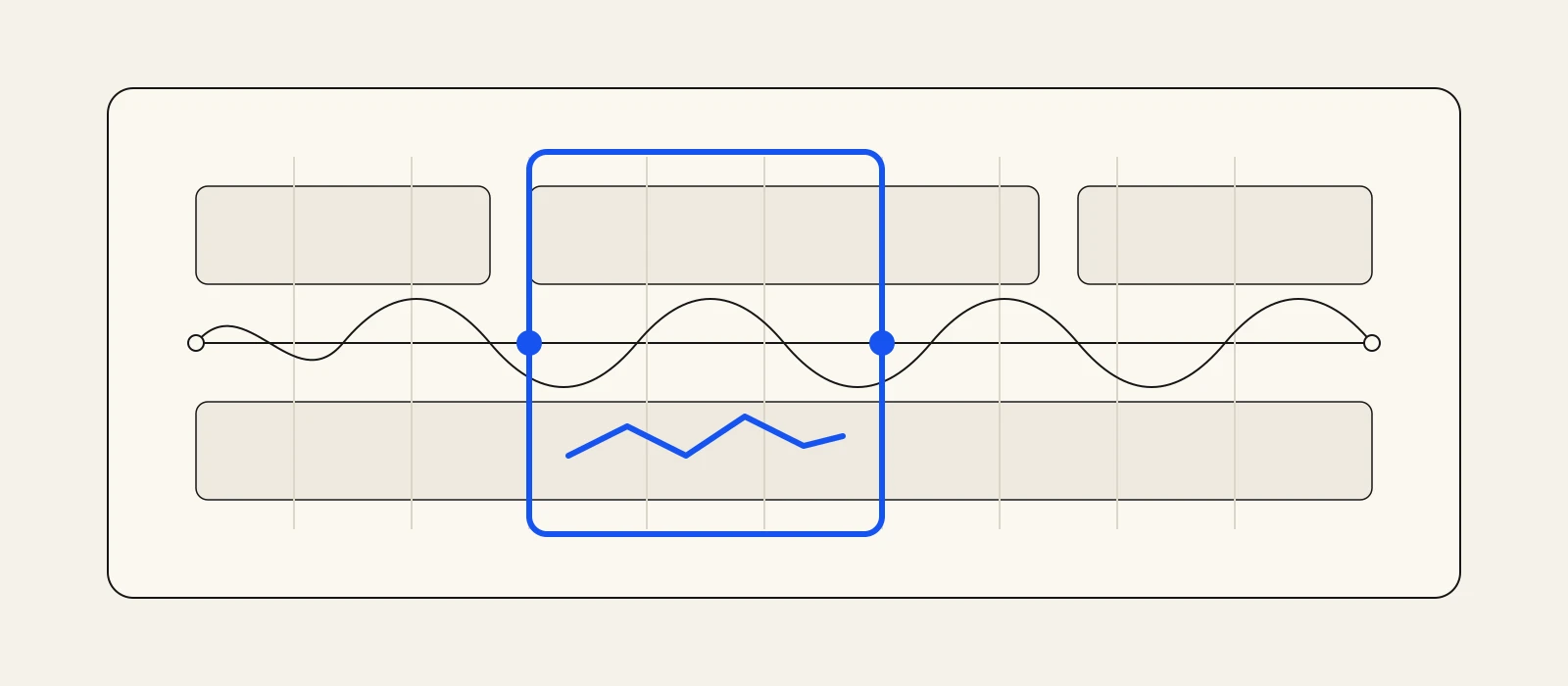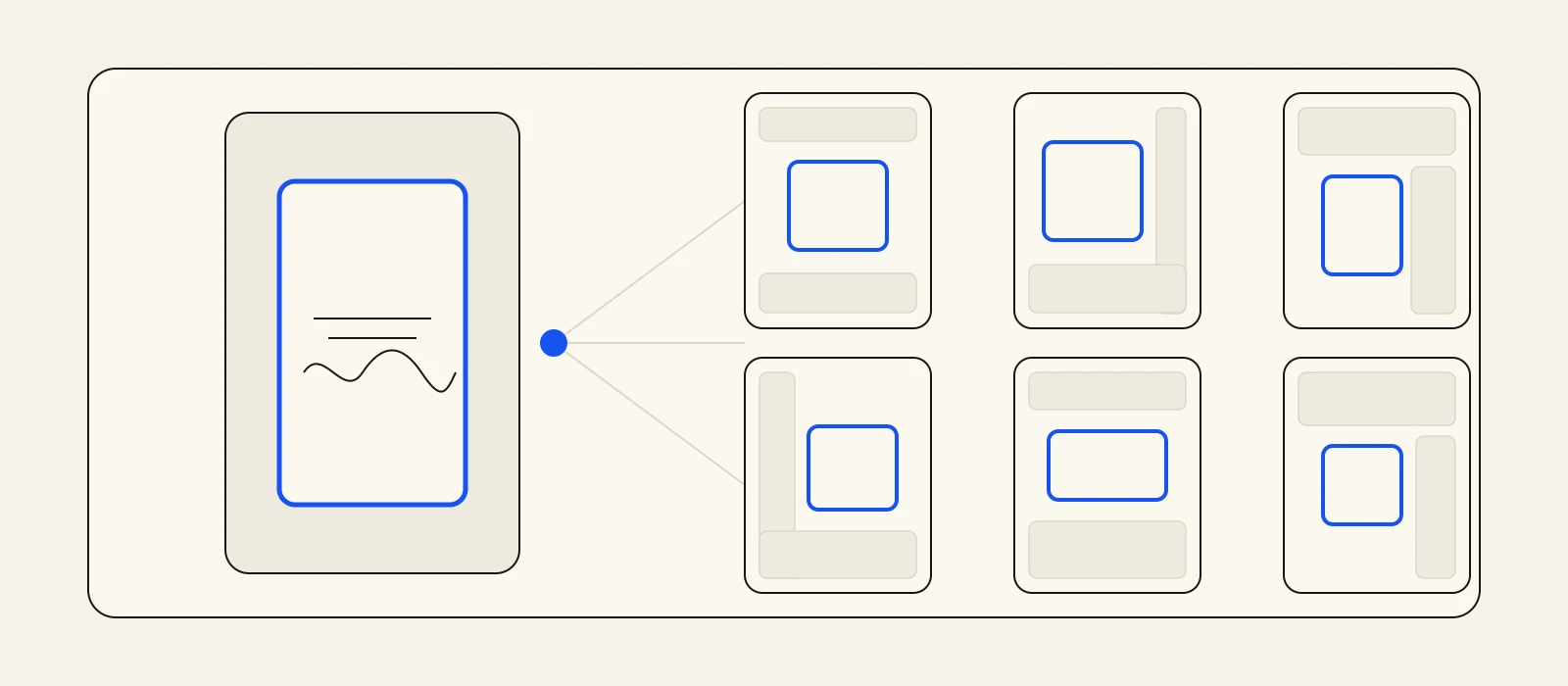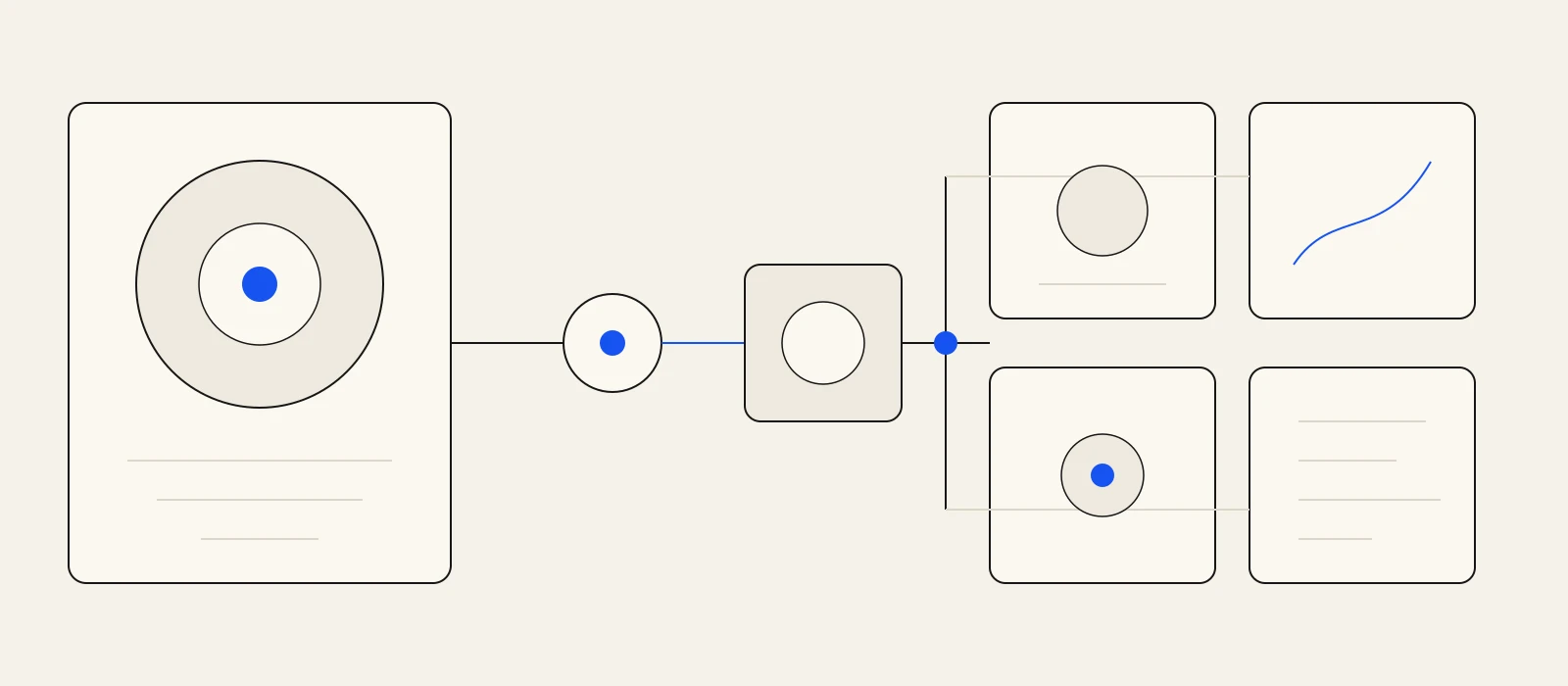
An AI that writes your music video as code: what it can and cannot do
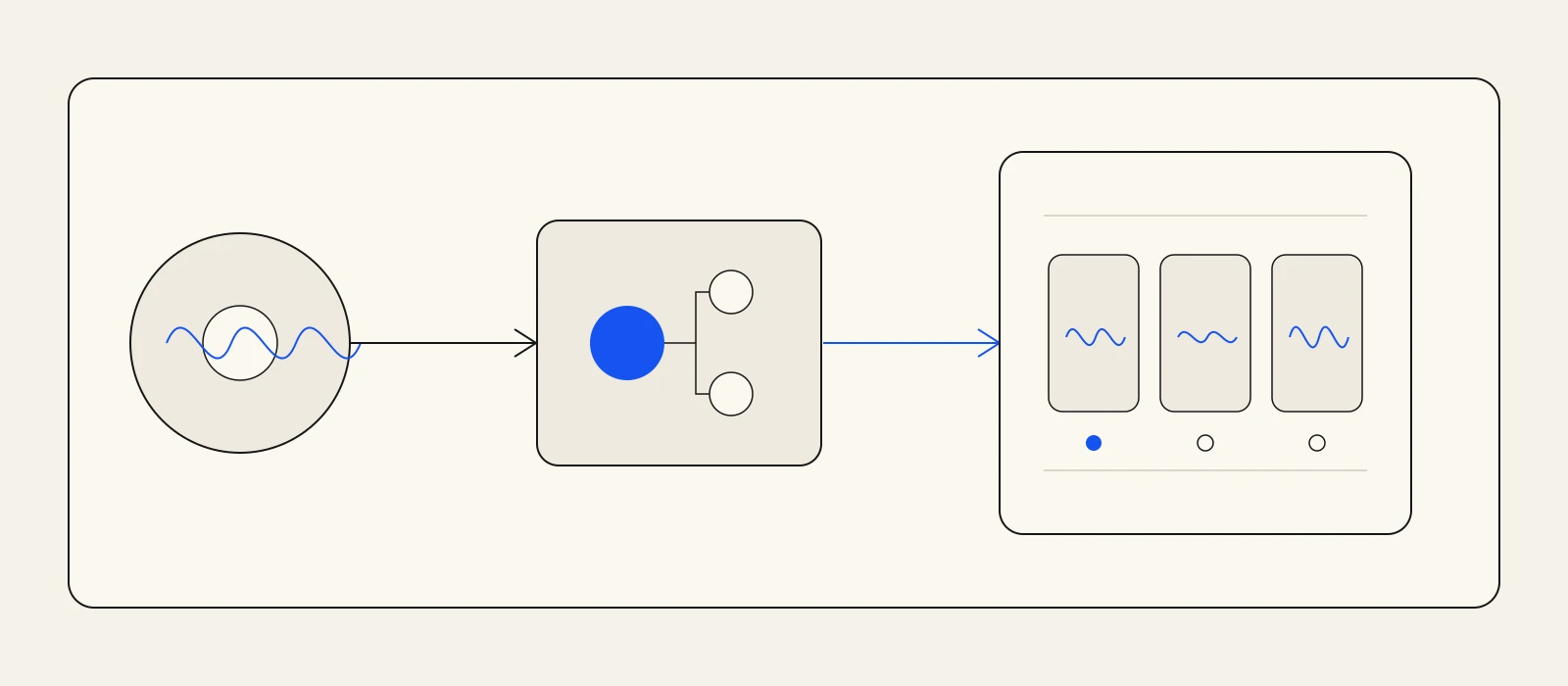
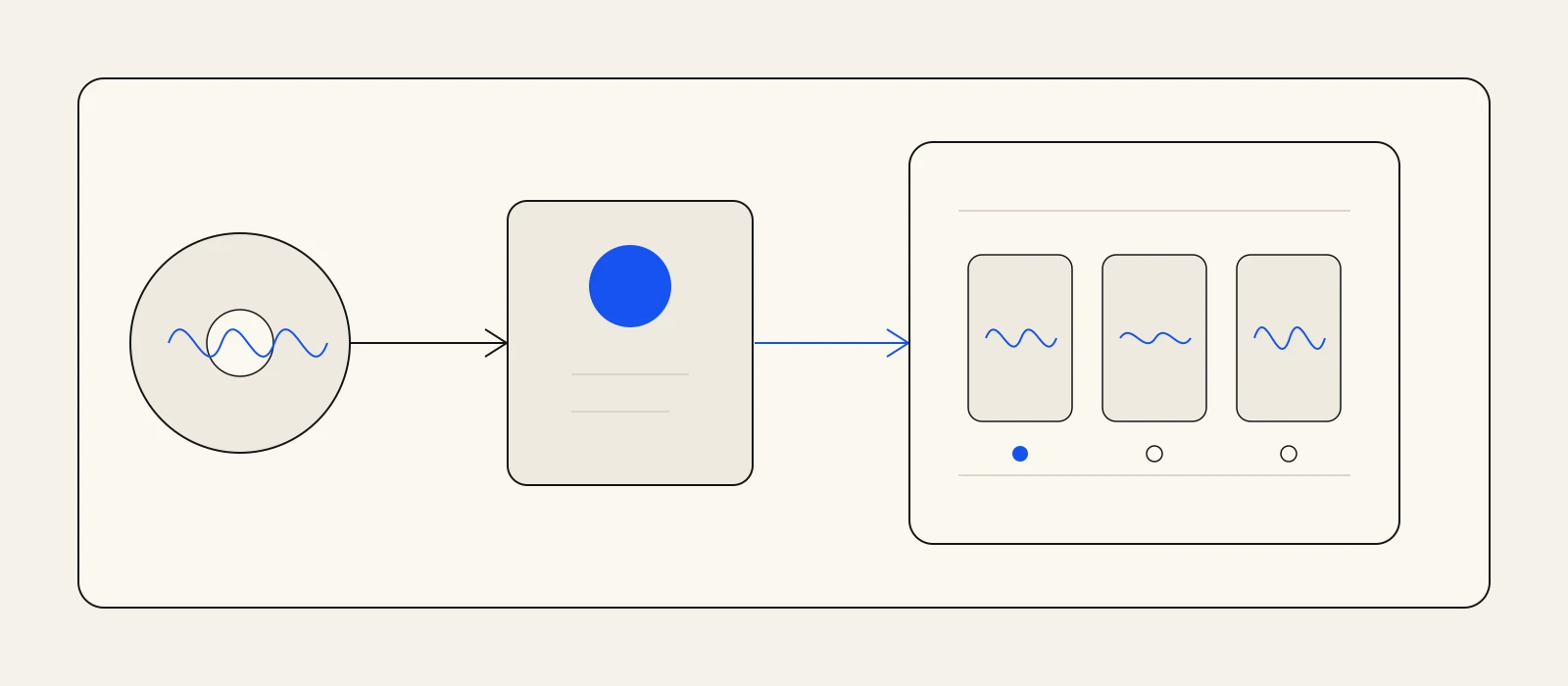
A practical look at code-made music videos, where deterministic motion, measured beats, and a critic loop help artists create precise visual cuts.
Read field note →Artifex Studio / Resources
Practical systems for artists who need their releases to travel further—without turning content production into the main job.

Five editorial lanes
01
Platform, AI-model, and industry changes that alter what an independent artist can do now.

A practical look at code-made music videos, where deterministic motion, measured beats, and a critic loop help artists create precise visual cuts.
Read field note →
What Seedance 2.5 offers for music visuals, where its reference inputs help, and when artists should choose another route.
Read field note →
How to decide when Veo 3.1 1080p belongs in a music visual workflow, especially when clip lengths and costs are fixed.
Read field note →
A practical, non-legal guide to AI transparency duties, platform labels, and provenance records for musicians using generated visuals.
Read field note →
A musician-focused explanation of YouTube altered or synthetic disclosure rules, including AI-created music and realistic scenes.
Read field note →
A practical reading of Spotify AI protections for musicians using generated or assisted music and release visuals.
Read field note →
A practical eligibility and production checklist for Spotify’s full-length video beta—and the campaign assets that still belong around it.
Read field note →
A practical workflow for turning better AI music generation into a release people can recognize, remember, and follow.
Read field note →02
Practical workflows for improving reach, retention, consistency, and creative output.

A practical reset for stale countdowns, incorrect release-day copy, and the posts that can carry a song until its new date is confirmed.
Read field note →
A practical checklist for scheduling a YouTube Premiere, preparing the countdown and watch page, and running the first viewing of a lyric video.
Read field note →
A controlled three-hook Trial Reels experiment for musicians who want a clearer signal before choosing the main clip for release day.
Read field note →
A practical guide to Spotify Countdown Pages, Apple Music pre-adds, eligibility, timing, and a pre-release campaign that stays honest.
Read field note →
A practical timeline for pitching one unreleased song to Spotify editors, with the current lead times and form details to prepare.
Read field note →
A practical guide to forced alignment, speech recognition, sung-vocal timing errors, and the hand edits that make lyric videos feel exact.
Read field note →
Instagram separates the upload ceiling from the recommendation boundary. Use this music-specific test to choose a Reel length from evidence.
Read field note →
Build one clean 9:16 lyric-video master, then check length, caption placement, and interface collisions before each manual upload.
Read field note →
How a released track reaches the Shorts music library, how Content ID differs from availability, and what artists can ask distributors to fix.
Read field note →
A practical route from distributor delivery or SoundOn to an official TikTok sound, Artist Account, Music Tab, and release checks.
Read field note →
How distributor delivery puts an eligible release into Instagram's music library, plus a precise checklist for a song that is missing.
Read field note →
Check Official Artist Channel eligibility, prepare the right YouTube channel, and ask a distributor or music partner to submit the request.
Read field note →
Spotify's current cover-art specifications, rights checks, AI Persona note, and a practical preflight for AI-made release artwork.
Read field note →
How to brief a hybrid AI music video that combines generated footage with beat-exact code motion, without losing budget control or visual focus.
Read field note →
A practical method for finding a 15 to 30 second song moment with contrast, clean setup, and enough motion for vertical clips.
Read field note →
How reference images, legible text, and identity checks can help a musician keep campaign visuals from drifting.
Read field note →
How TikTok AI labels, Content Credentials, and creator disclosure expectations affect musicians publishing visual assets.
Read field note →
How Studio reservations, cancellation checkpoints, failed jobs, and fair refunds work for generated music-release assets.
Read field note →
How an artist catalogue link and dated events help Studio draft release captions with fewer invented details.
Read field note →
How musicians can revise a release art direction by describing the change they want instead of rewriting prompts from scratch.
Read field note →
Set the four Artifex Studio model defaults, then decide when an individual image or video deserves an override.
Read field note →
Choose fixed video recipes for reproducible edits and mix recipes for varied cuts through Studio’s MCP generation tools.
Read field note →
Audition image models on a portrait, environment, and cover composition before choosing one for a recurring artist identity.
Read field note →
Compare AI video models on the hardest shot in the campaign, then judge the footage under the actual song and crop.
Read field note →
Use dated, approved events to keep artist captions current without letting invented milestones slip into public copy.
Read field note →
A five-minute weekly update can add confirmed events to an artist timeline and give future captions useful context.
Read field note →
Refresh recent untouched AI drafts after an artist update while preserving edited, approved, and historical copy.
Read field note →
Choose a YouTube Shorts length based on the job of the post, the musical payoff, and the rights constraints—not a universal retention myth.
Read field note →
A reusable content system for independent musicians who need consistency without becoming full-time social media managers.
Read field note →03
Studies, platform data, and documented patterns translated into useful artist decisions.

Why music visuals should follow the tempo in the audio file, not the tempo typed into a prompt or saved in a project note.
Read field note →
What Deezer reported about AI music volume, streams, fraud, and why independent artists should compete on identity instead of output volume.
Read field note →
Measure credits and edit time per approved image, clip, or caption rather than trusting a model’s sticker price alone.
Read field note →
Make a fictional artist’s nature clear to audiences and apply current platform labels to realistic synthetic content.
Read field note →

Use a recognition, meaning, and continuity sequence to give curious listeners somewhere to go after the first watch.
Read field note →

Spotify reports deeper listening after a music-video watch. Here is the study population, the reported lift, the limits, and the useful artist response.
Read field note →
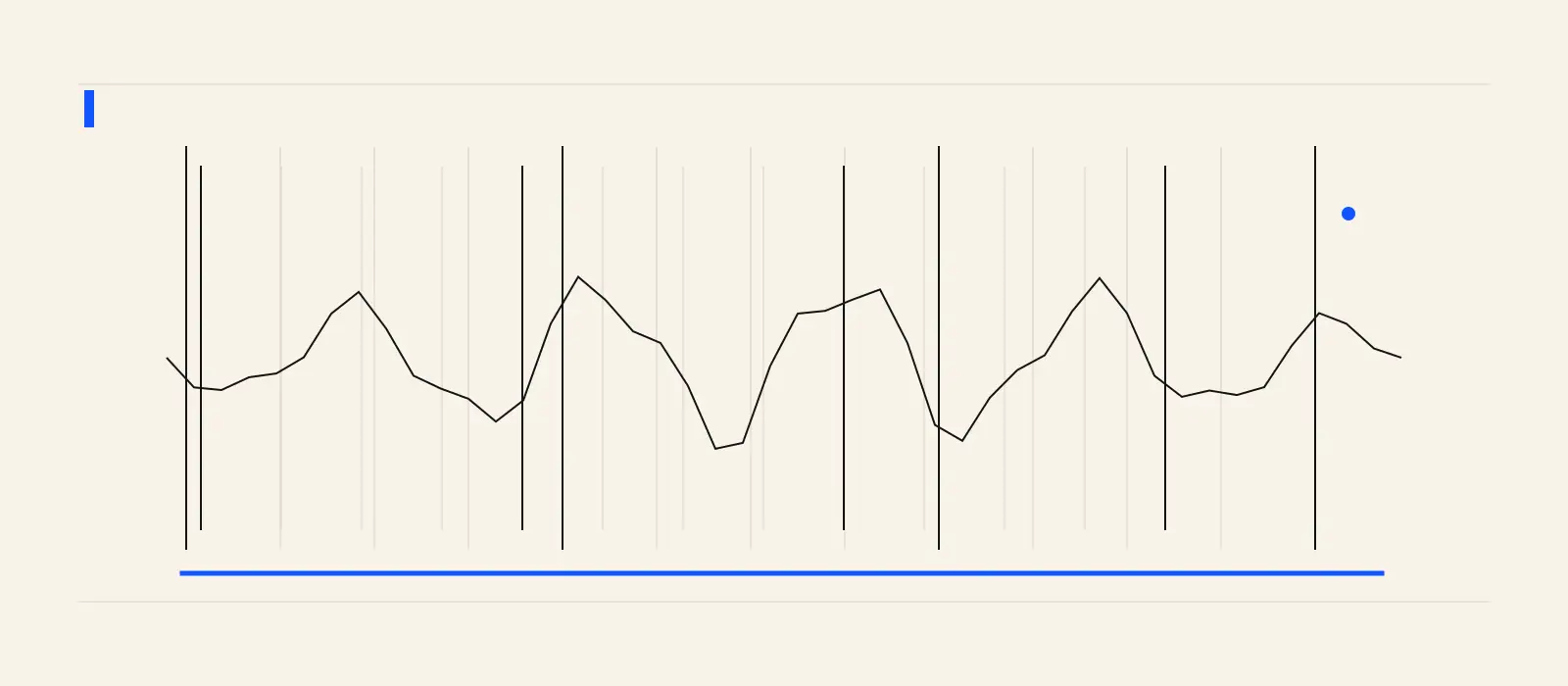
Turn song, post, and follower analytics into small creative experiments without confusing correlation, reach, and real fan intent.
Read field note →
A current guide to the job, timing, shape, and eligibility of Spotify’s three artist-video surfaces.
Read field note →04
Clear positions on creative leverage, artist identity, and sustainable release systems.

A practical truth rule for AI-written music captions: supply verified artist data, block unsupported specifics, and review every draft.
Read field note →
Why musicians should preserve model, prompt, settings, cost, and source relationships for generated artwork, clips, and release media.
Read field note →
How a 60-second release film used live product footage, generated art, measured tempo, and model workarounds inside Studio.
Read field note →
Why image-to-video models may refuse photoreal people, how consent and impersonation rules matter, and what alternatives musicians can use.
Read field note →
A practical way to choose text, image, video, and alignment models around the creative job rather than a provider name.
Read field note →
Create a portable artist brief that keeps identity, current events, and task instructions clear across model changes.
Read field note →
Turn a release date into distinct pre-release, launch, and follow-up chapters that give listeners a reason to return.
Read field note →
Separate the artist’s voice from the audience’s information needs to make content more useful without inventing fan reactions.
Read field note →
A six-part identity system that turns generated variation into recognizable artwork, lyric clips, video, and artist presence.
Read field note →
A position on creative AI, authorship, and why the best artist tools remove coordination work while preserving the final decision.
Read field note →05
Checklists, decision frameworks, and reusable systems ready to put into practice.

A platform-by-platform checklist for cover art, Spotify Canvas, vertical video, Reel covers, Shorts, TikTok, and YouTube thumbnails.
Read field note →
A fill-in brief for turning a finished song window into a focused visual direction that an AI artist can execute and revise.
Read field note →
How musicians and technical collaborators can connect an MCP client to Studio, inspect tools, start jobs, and read provenance.
Read field note →
Use one controlled artist brief and a five-point scorecard to compare caption models without confusing prompt differences with model quality.
Read field note →
Understand model clip lengths, credit estimates, and the difference between a cheap generation and an approved release asset.
Read field note →
Use a deliverable-based worksheet to set credit ceilings and retry allowances before producing a song’s visual release.
Read field note →
Build a one-page artist bible with durable visual and voice rules while leaving room for new releases and events.
Read field note →
A producer-reviewed response card helps answer real fan comments without promising an automated comment inbox.
Read field note →
A practical 30-day artist calendar that evolves from identity and release assets to real responses and the next chapter.
Read field note →
A practical decision framework for choosing the music visual that matches your song, campaign job, source material, time, and budget.
Read field note →
A practical model chooser for moving from quick ideas to a finished song—and then giving that song a coherent visual release.
Read field note →The standpoint
The AI visual production workspace that turns one finished track into a coherent release system. Artifex Studio is built for independent musicians, however the music was made. The artist keeps the taste, the decisions, and the final publish.
Read our standpoint →